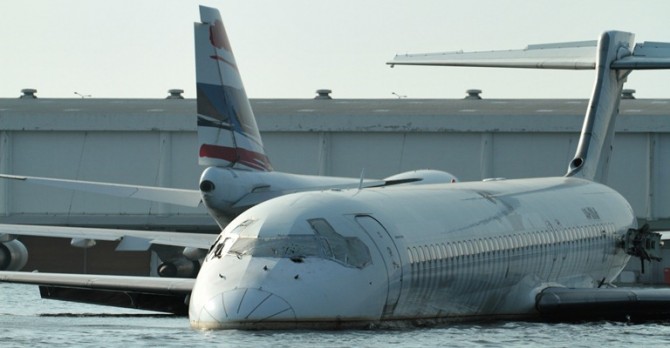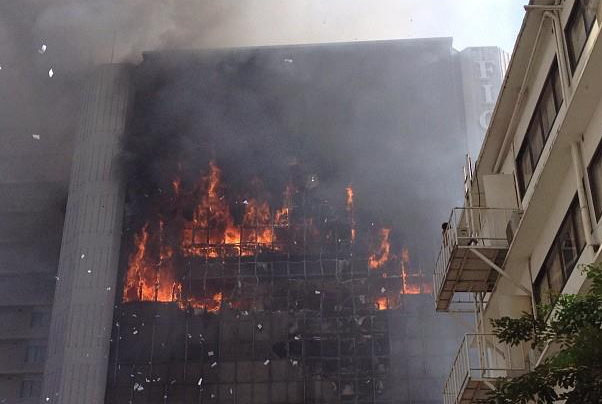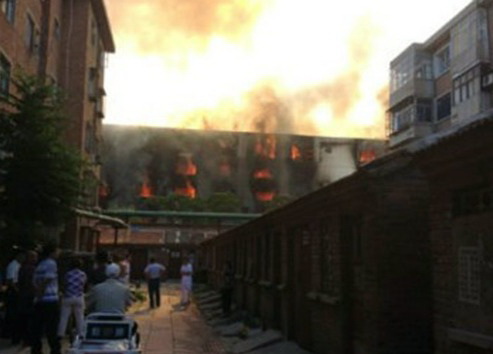
Hello all BFM Club members, we have met again after 5 months of flooding. A new round will be coming soon. I hope that you will all be prepared to deal with the disaster. Many of you will continue to have questions because of the previous edition, “Disaster Buildings”. HOW MUCH DAMAGE HAS BEEN CAUSED BY THE MAJOR FLOODS, HOW ARE THE REPAIRS DONE? NOW THAT THEY ARE DONE, I WOULD LIKE TO ASK VOLUNTEERS TO VISIT THE BUILDINGS THAT HAVE BEEN AFFECTED BY THE PREVIOUS FLOODS. HOW THEY ARE CURRENTLY REPAIRED. OF COURSE, THE BUILDING WILL REQUIRE ALPOLIC/ ALUMINUM COMPOSITE SHEET. Let's talk about our fr.
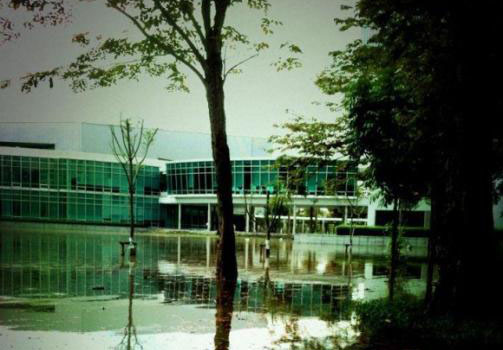
In one of the buildings of one of the famous institutions, the recent floods have caused a lot of damage to these buildings and groups of buildings. The flood area is 100% of the area. There is not a single square inch of dry space left in the institution. The water depth is on average 2.50 meters, and the most brutal is the flooding up to 3.00 meters. That's all. More than 8 weeks of immersion. Of course, damage has been done to so many buildings that it is difficult to estimate, but as for the BFM Club offering the story, let's keep an eye on it, Alpolic/fr has to be involved.
From the images, it is clear that the flood level was more than 2.50 meters across the entire institutional area and caused more than 670 million baht of damage, as many buildings had important equipment on the first floor or basement, all of which were estimated to have been damaged. Although some of the important equipment was successfully transported to the second or upper floors, some of the equipment could not be moved. Due to the weight and installation required to be fixed in place, almost all of the devices are damaged. Although some of them can be removed in time, the enemies that follow are mold and dirt that floods some buildings. The inside was completely damaged by the fungus, as well, even if there were no important equipment on the ground floor.
After more than 8 weeks of soaking in the water until the water went away, all that was left was grief and damage. The buildings that began to dry out began to show damage. Because of the immersion for more than two months, most of the building materials were not damaged and had to be deteriorated, waiting to be restored so that they could return to their original use.
Traces of damage can be seen in general, such as peeling paint, areas of subsidence, deciduous trees almost completely established. In addition to the water-resistant species, we will look at the general condition of the damage after the water subsidence.
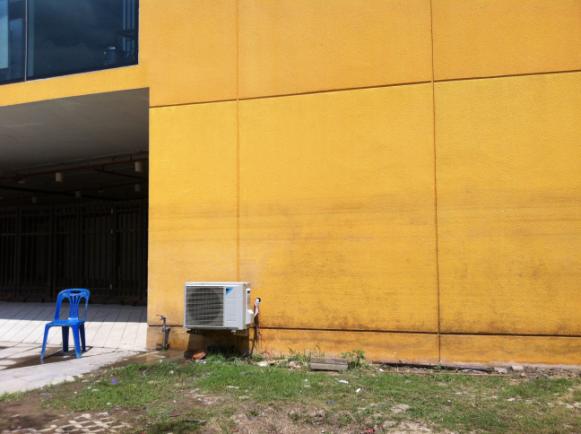
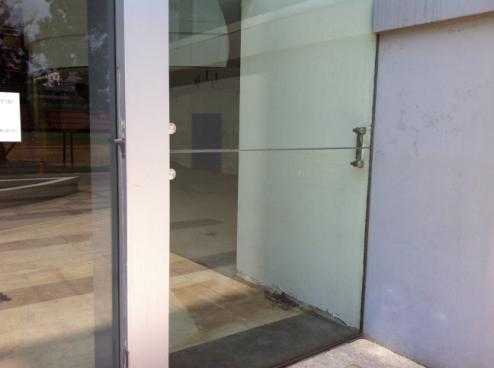
Most commonly encountered water damage conditions are peeling paint, fading, decaying or weathering caused by water erosion, leaving hard-to-remove stains, mold and moss. All require maintenance, dismantling, repainting, or at least repainting. Ja,
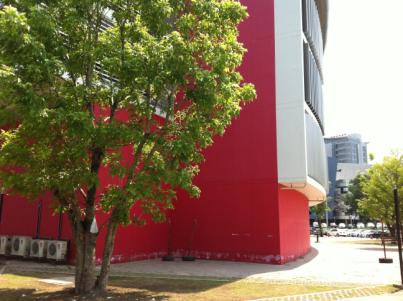
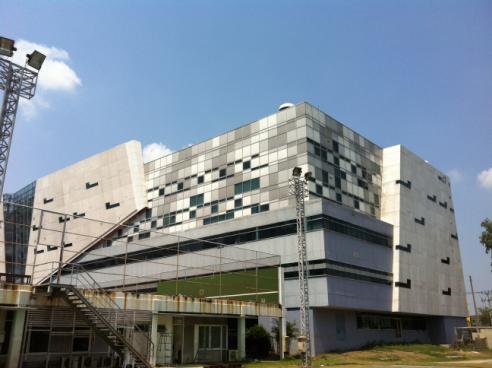
After exploring, I came to the building where I chose our Alpolic/FR aluminum composite sheet to wrap and decorate the building. I thought, “Okay, I'm wondering today I'll have to change it as well, because after two months of soaking in water, it will have to be damaged. Upon arrival at such a building, oops! Wow, I can't believe we didn't damage a single sheet from the flood. When we looked at it up close, it became much more noticeable compared to the commonly used material on the sides.
Comparing Alpolic/FR aluminum composite panels with commonly used building materials, it is found that our Alpolic/FR sheets do not cause any damage that can be detected by the naked eye, even though they have been cleaned so that the institution can start classes normally as soon as possible. The images show that the water still damages the concrete pillars on the side of the AL sheet. Polic/FR, even if it has been cleaned, if a concentrated stain remover is used, the condition can occur as seen, but these stains are still firmly embedded in the building, requiring additional repairs, either repainting or finding other materials to cover the building.
In order to dispel your doubts, I went back to reviewing the existing knowledge and once again offering you permission to explain it in a few words to answer the problem.
It lasted up to 20 full years as the first in the world.
Thanks to these three outstanding elements, the flood damage report on our Alpolic/FR plates is 0. The bottom line is, wash, wipe, and it works as usual, no need to invest in repairing the damage.
Taking a tour of the buildings that have been submerged for more than two months will be enough to show you the short-term and long-term value of choosing quality products. Thank you to our beloved institution for providing us with field-tested buildings to prove their durability and should be a guide. In the fight against water reduction, we hope that this year we will not have to face another flood disaster. If you have time to prepare, you can find a solution and prevent it in time. Any consultations are available through various official channels. Keep in touch with you and us. Hello everyone. I wish you a healthy, flood-free face all year round and forever. Hello again.
By Sasin “Toei” Viboon Bundityakit
Company Product Manager B. F. M. stint
For more suggestions, please contact us at sasin@bfm.co.th and find a new channel to reach out to.
Via our Facebook Fan page and on our new website at www.bfm.co.th
All names, trademarks, illustrations are copyright of their owners and are protected.
of the trademark or copyright of each trademark. It is used only as a case study.
Content, articles, articles. All rights reserved