
BFM Louvres: Integrating high-performance ventilation with architectural excellence

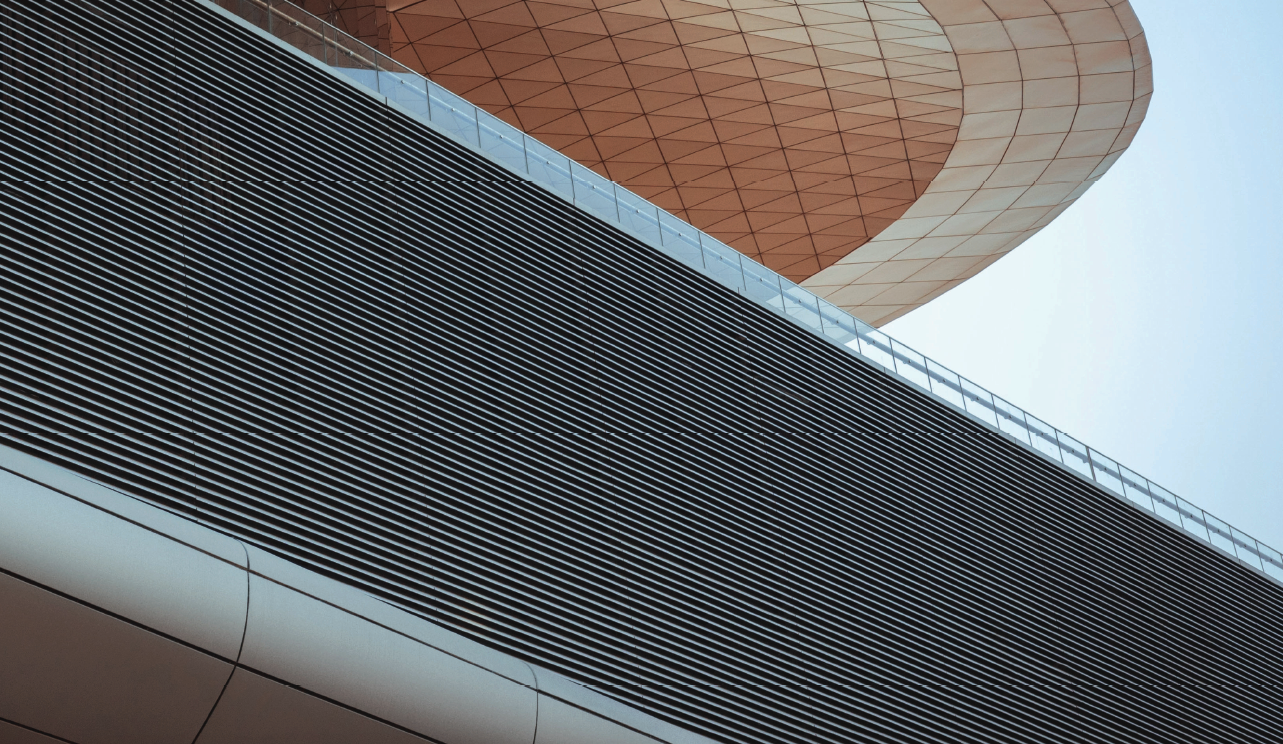
BFM Louvres is a high-performance ventilation louvre product for architectural applications designed to suit different types of buildings. These high-performance ventilation louvres not only help with ventilation and rain protection, but also enhance the aesthetics of buildings.

Properties of BFM Louvers

Exellent Airflow Integration
Rain / Storm
Defense
Certified
Performance
10-Year
Warranty
Ecology

Certified performance

The AMCA 500 L standard or BSRIA EN13030 is a standard that confirms the excellent performance of both ventilation and rainwater resistance of high-performance ventilation flakes, giving users confidence in excellent performance in all weather conditions.

toleration

The high-performance ventilation louvres are tested for performance under the most severe conditions, according to the standards, to see that the BFM Louvres high-performance ventilation louvres are designed to be durable, long-lasting, and reduce maintenance and repairs.

Safety and Performance

Emphasizing safety and perfection in use, BFM Louvres high-performance ventilation louvres also improve HVAC (Heating, Ventilation, and Air Conditioning) efficiency, reduce energy costs, and help support a better indoor environment.

Excellent material selection

BFM Louvres materials tested to AMCA 500 L or BSRIA EN13030 standards are ideal for those looking for an architectural alternative that is reliable, efficient and aesthetically pleasing.

State-of-the-art design

Our high-performance ventilation flakes are technologically leading materials that help define industry concepts and increase design constraints.

Products

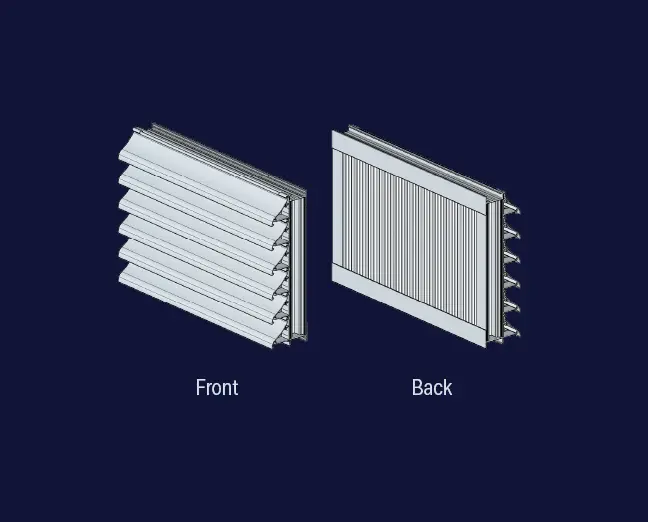
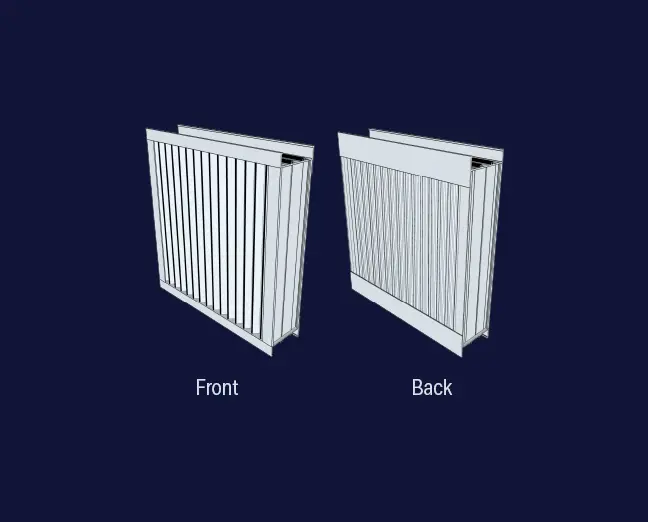
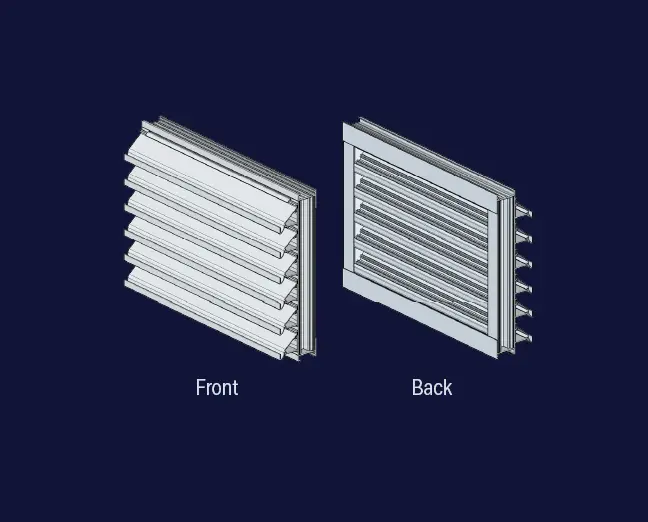
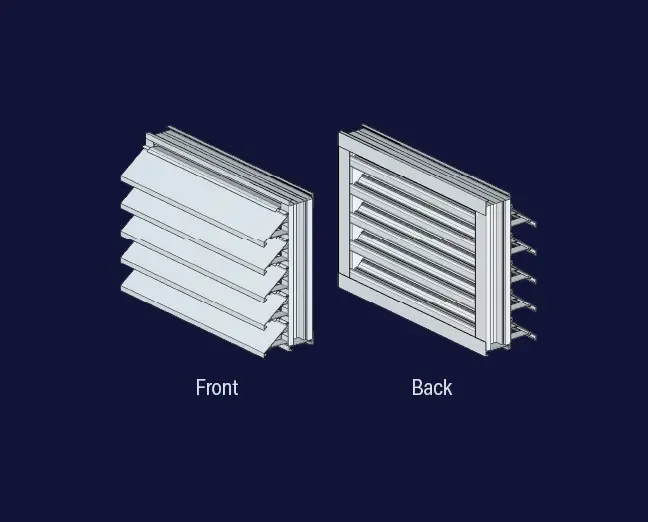
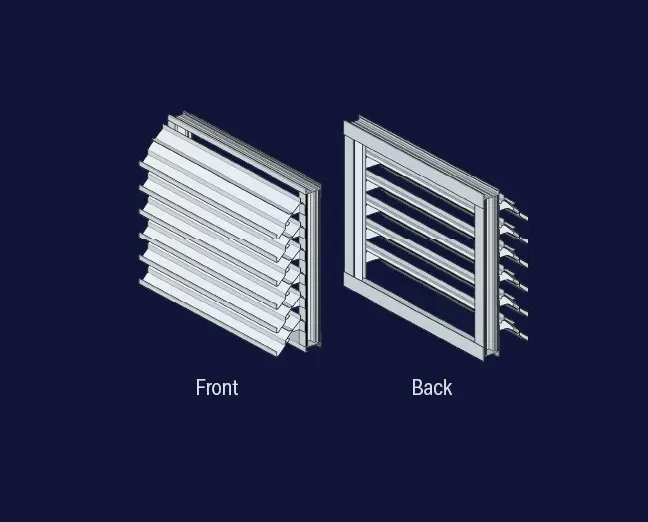
Triple Bank
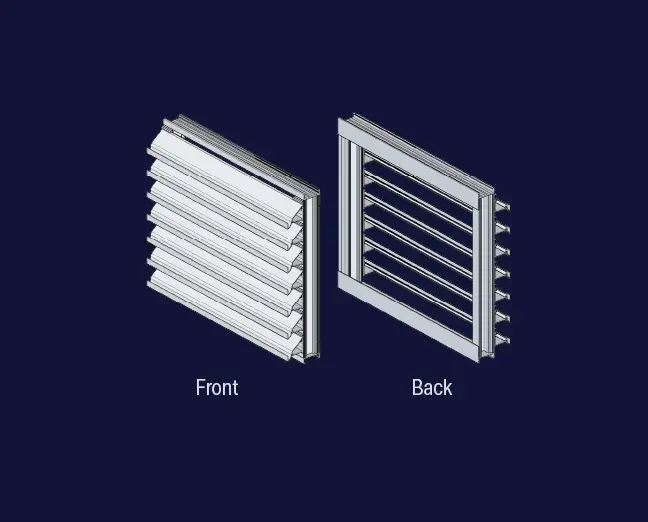
Double Bank
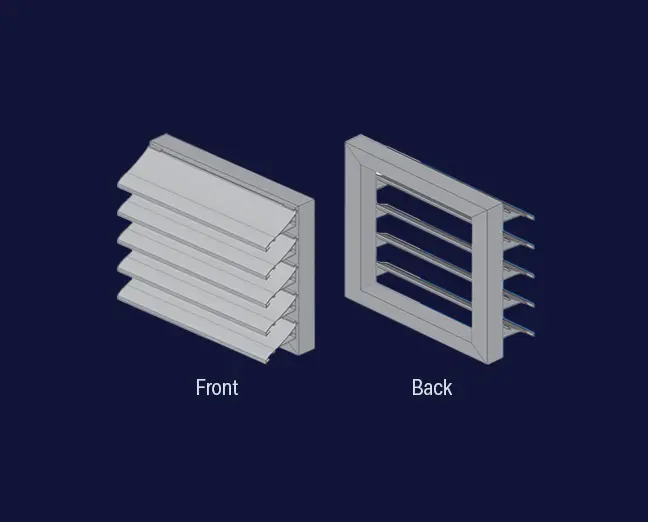
Single Bank
Decorative Louver

ACMA

AMCA STANDS FOR THE AIR MOVEMENT AND CONTROL ASSOCIATION INTERNATIONAL, AN INDEPENDENT THIRD-PARTY ORGANIZATION IN THE US. THE ORGANIZATION ASSOCIATE WITH:
  • Develops standards: Publishes standards for the performance of air movement and control products, such as louvers. These standards are used to ensure that products meet certain performance criteria and are safe for use.
  • Provides third-party testing: Offers testing and verification services to manufacturers of air movement and control products. This helps manufacturers ensure that their products meet AMCA standards and perform as claimed.
  • Advocates for the industry: Represents the interests of its members in government and industry forums. AMCA also provides educational resources and training to its members and the public.
  • Promotes ethical practices: Its members agree to accurately represent the performance of their products and abide by a stringent code of ethics.

AMCA's work helps to ensure that buildings and other structures are properly ventilated, and that air movement and control products are safe and efficient.
The AMCA 500-L test is a standard for testing louvers, which are devices used in buildings and other structures to control airflow.
The test measures the performance of louvers in a number of different areas, including:

  • Pressure drops.
  • Water penetration.
  • Wind-driven rain.

The AMCA 500-L test is widely recognized as the industry standard for testing louvers.
BSRIA

BSRIA STANDS FOR THE BUILDING SERVICES RESEARCH AND INFORMATION ASSOCIATION.

It's a UK-based, not-for-profit organization that provides research, consultancy, testing, and information services to the building services industry.
Here's a breakdown of what they do:

  • Research: BSRIA conducts research on a wide range of topics related to building services, such as energy efficiency, indoor air quality, and ventilation. This research helps to improve the design and operation of buildings.
  • Consultancy: BSRIA provides consultancy services to clients in the building services industry. This includes advice on design, operation, and maintenance of building services systems.
  • Testing: BSRIA has a number of test facilities that are used to test the performance of building services products. This includes products such as louvers, fans, and air conditioners.
  • Information: BSRIA provides information to the building services industry through publications, events, and training courses. This helps to keep the industry up-to-date with the latest developments.

BSRIA's work helps to improve the performance of buildings and make them more sustainable. They are a trusted source of information and expertise for the building services industry.

The BS EN 13030 test is a standard performance test for weather louvres. It evaluates the louvre's ability to resist water penetration and measures the pressure drop across the louvers.

Procedure of testing a wind-driven rain louvers

  • External Wind Generator
  • Rain Simulator
  • Louver Test Panel
  • Flow and Pressure Monitors
  • Collection Chambers
  • Intake Fan
Both AMCA 500-L and BS EN 13030 are standards for testing the performance of louvers. They both involve subjecting the louver to simulated weather conditions, including wind and rain, and measuring its performance in terms of water penetration and pressure drop.

Here are some of the key similarities between the two standards:

  • Use a standard-sized louver sample for testing.
  • Simulate wind and rain conditions using fans and nozzles.
  • Measure the amount of water penetration and pressure drop of the louver.
  • Classification system to rate the performance of the louver.

Overall, both AMCA 500-L and BS EN 13030 are valuable tools for evaluating the performance of louvers. They provide a standardized way to test louvers and ensure that they meet the performance requirements for their intended application.

Project References

all projects
No items found.
Transform your design vision into reality with the finest materials. Inquire now to consult with our specialists. Here